
Shop products, kits, & accessories.
Everything you need to solve stress in the way that works best for your life.
Explore TouchPoints, Thodian, curated kits, and accessories designed to support everyday use at home, at work, and on the go.


T

Stress, Blood Sugar & Cravings: What’s Really Happening
You eat well all day—then 9 p.m. hits, and suddenly you’re in the pantry. Or maybe it’s 3 p.m., your energy drops, your mood shifts, and sugar feels urgent. If you experience stress-related cravings, it’s not a discipline problem. It’s often a stress response. When you’re under pressure, your body releases cortisol and adrenaline, raising blood sugar to provide quick energy. In short bursts, that’s helpful. But with chronic stress, blood sugar can spike and crash more frequently—leaving you tired, irritable, and craving fast fuel. Add poor sleep to the mix, and appetite regulation becomes even more disrupted, making high-sugar or high-carb foods feel especially appealing.
This is how the connection between the nervous system and cravings unfolds. When your body perceives stress—deadlines, overstimulation, emotional strain—it shifts into fight, flight, or shutdown. In those states, the brain seeks regulation. Food can temporarily calm the system, which is why emotional eating and stress so often go hand in hand. Instead of asking, “Why can’t I control this?” a more useful question is, “What is my nervous system needing right now?” That shift moves you toward regulation—not restriction—as the foundation for steadier energy, mood, and choices.
Calming the Nervous System Naturally Before You Eat
If you want to stop stress eating without restrictive dieting, start with regulation before reaction.
Try these small, realistic resets:
Learning how to regulate stress before eating builds awareness. When the nervous system feels steadier, it becomes easier to make balanced food choices and support healthier sleep patterns.
For a deeper look at how stress influences eating patterns, our blog on "The Impact of Stress on Eating Habits" explores how stress and nutrition interact in everyday life.
Why Stress Causes Sugar Cravings at Night
Evening cravings are rarely about weakness. By night, your nervous system is depleted.
After a full day of decision-making, caregiving, or work demands, your body craves quick relief. Add cortisol fluctuations and possible sleep disruption, and cravings can spike.
Creating a wind-down routine—dimming the lights, limiting screen time, and practicing slow breathing—helps calm stress hormones before bed. Supporting stress recovery also improves the sleep–cravings cycle discussed in Creating a Healthier Workplace: The Role of Nutrition and Stress Management, which highlights how daily stress patterns affect overall wellness.
How TouchPoints Support Stress-Related Cravings
Sometimes you need more than mindset tools. You need physiological support.
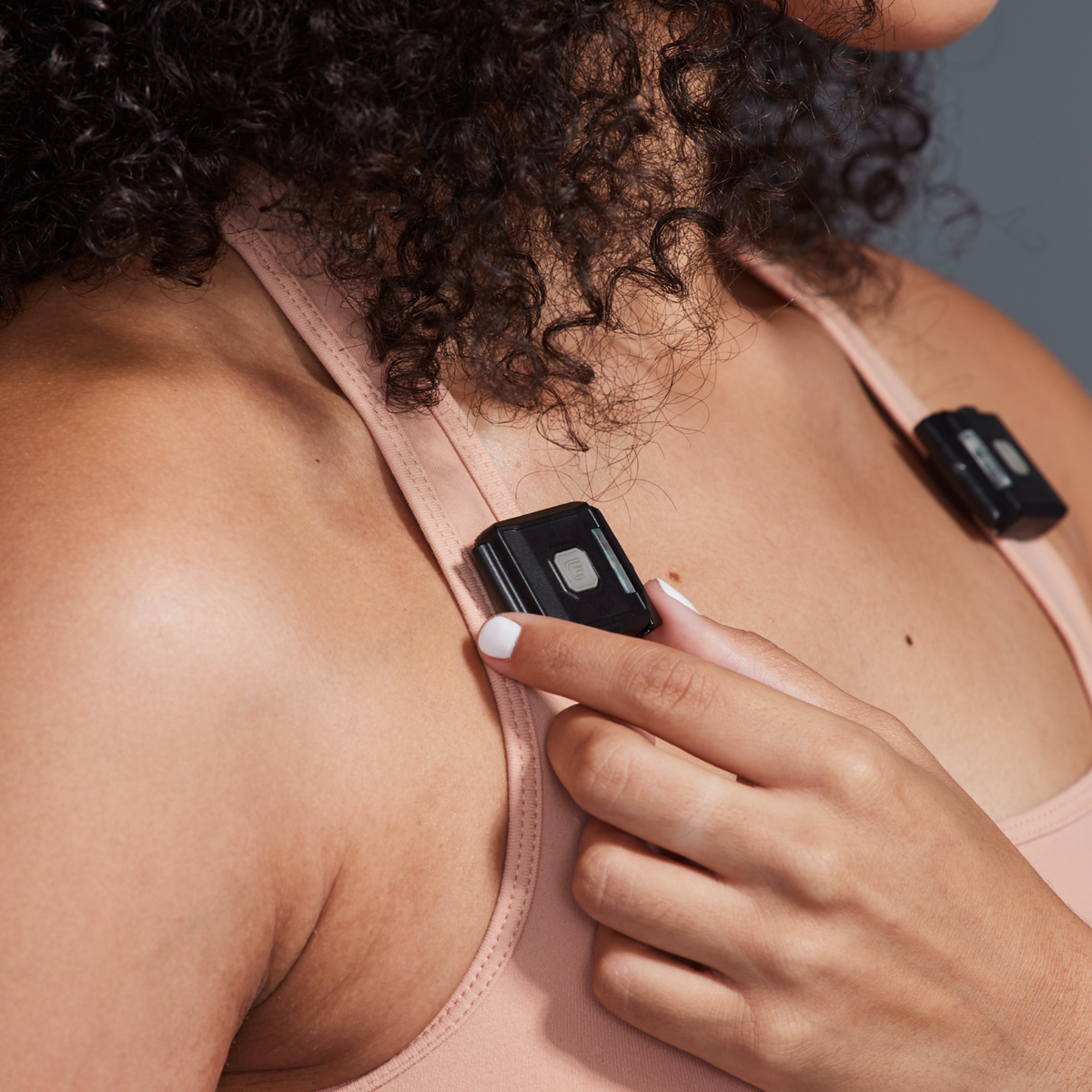
TouchPoints are a wearable stress management tool that uses bilateral, alternating stimulation to reduce stress—gentle, alternating vibrations worn on the wrists or clipped to clothing. This BLAST technology signals safety to the nervous system and reduces the intensity of the stress response. See The Science Behind TouchPoints to learn more.
TouchPoints can be especially helpful in real-life trigger moments, such as:
In these moments, TouchPoints support the natural calming of the nervous system—helping you pause before reacting.
In the real-life story shared in TouchPoints and Cravings, one user noticed that regulating their stress response helped reduce impulsive eating patterns. The shift wasn’t about willpower. It was about emotional steadiness.
TouchPoints are not a cure. Not a weight-loss tool. Not a fix. They’re support—helping your nervous system settle so you can respond instead of react.
Regulation Can Be Gentle, Practical, and Real
If you’ve been blaming yourself for cravings, here’s your reminder: you don’t have to. Stress affects blood sugar, mood, and sleep more than we often realize, and what feels like a lack of discipline is often a nervous system trying to stabilize. Small pauses, a slower breath, or a simple wind-down routine can help you feel steadier before reacting.
If you want stress support that fits into real life, TouchPoints™ can help calm your nervous system in the moment, so balanced choices feel more accessible on the days you need them most.
Leave a comment
Everything you need to solve stress in the way that works best for your life.
Explore TouchPoints, Thodian, curated kits, and accessories designed to support everyday use at home, at work, and on the go.
Comment
(0)