Support for the Nervous System Under Pressure: How EMDR and TouchPoints Advance Athletic Performance
S
u
p
p
o
r
t
f
o
r
t
h
e
N
e
r
v
o
u
s
S
y
s
t
e
m
U
n
d
e
r
P
r
e
s
s
u
r
e
:
H
o
w
E
M
D
R
a
n
d
T
o
u
c
h
P
o
i
n
t
s
A
d
v
a
n
c
e
A
t
h
l
e
t
i
c
P
e
r
f
o
r
m
a
n
c
e
By: Whitney Dittmar, MA, LPC
www.emdrintensivesforathletes.com
The Power of Embodied Visualization
Imagine what you want to think, feel, and notice in your body as you visualize an upcoming meet, game, or high-stakes meeting. While mental rehearsal has long been a staple of performance enhancement, neuroscience is evolving how we approach this practice. As an EMDR clinician and consultant, I help elite athletes, coaches, and leaders move beyond simple visualization toward active neuroplasticity. By integrating Bilateral Stimulation (BLS) into mental rehearsal, we don't just "think" about success; we strengthen the positive felt-sense in the body and solidify the core beliefs required for peak performance.
Moving Beyond "Survival Mode"
I often work with individuals who have pushed through immense pain and adversity to achieve great things. Yet, their bodies frequently remain in a state of fight, flight, freeze, or fawn long after the competition has ended. Whether caused by injury, "the yips," public failure, or the constant pressure of evaluation, the nervous system can become stuck in a persistent threat response.
When an athlete’s body is trapped in survival mode, telling them to "just relax" or "calm down" is not only ineffective—it’s frustrating. Regulation cannot be forced through the mind; it must happen through the body.
Therapy in Motion: Real-Time Regulation
My practice, located near the major trail systems and athletic fields of Centennial, Colorado, embraces this "body-first" philosophy. I often invite clients to step outside the traditional office setting to work where the sport actually happens.
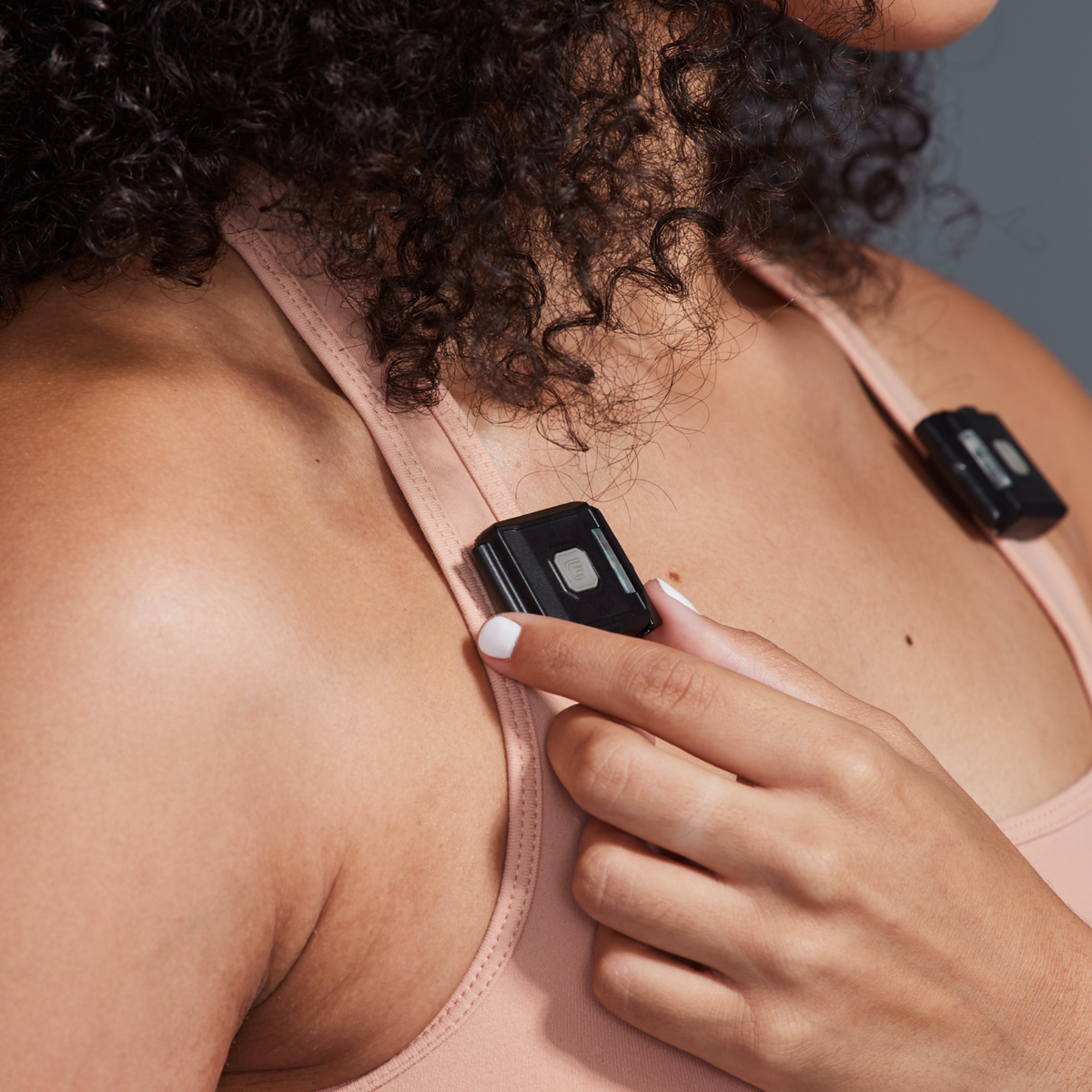
By sliding on TouchPoints wristbands—which provide alternating bilateral vibrations—we engage in EMDR therapy while in motion. Being outdoors often triggers vital sensory fragments: the specific slant of the light, the smell of the grass, or the physical sensation of a movement where a previous injury occurred. These fragments open the memory networks that need reprocessing. As we move, the BLS helps the brain "digest" experiences that were previously stuck as anxiety, over-arousal, or a loss of trust in the body.
TouchPoints: The Bridge Between Session and Stadium
In my clinical work, TouchPoints are not a replacement for EMDR; they are a vital supportive tool that helps athletes access the therapy more effectively. They serve as a nervous system recovery tool that athletes take with them into their high-pressure worlds.
Athletes utilize TouchPoints to support:
- Pre-Competition Anxiety: Stabilizing the nervous system before the whistle blows.
- Rehab and Return-to-Play: Reducing the trauma response associated with a previous injury site.
- Travel and Recovery: Managing the physiological toll of constant travel and sleep disruption.
- Ongoing Resourcing: Strengthening mental rehearsal and visualization between sessions.
Many clients find that after completing an intensive they want to integrate TouchPoints into their daily lives for on-going nervous system support. Even if you are not currently working with a therapist you can safely invest in your nervous system care for optimal performance.
Here are some suggestions for incorporating TouchPoints into training: Try using them with visualization, during pre-competition prep or use them as recovery tools to help with down-regulation after intense training and competition.
Pro Tip: Begin with a brief session to gauge your comfort level and response before moving toward more extended use.
Pro Tip: Engage the Five Senses – While using your TouchPoints during visualization – don’t just See it, Feel it to full activate and prime your nervous system. Imagine- what do you hear? What do you smell? What sensations do you notice in your body?
Are you curious to better understand why this helps support peak performance? Research on bilateral stimulation shows that even short, consistent sessions can support nervous system regulation and enhance focus, helping athletes perform at their best under pressure. Check out this external research to learn more:
- https://pmc.ncbi.nlm.nih.gov/articles/PMC5061320/
- https://pmc.ncbi.nlm.nih.gov/articles/PMC12641405/
Here is some “Internal data and research on TouchPoints show that users experience a ~74% reduction in self-reported stress within 30 seconds, along with measurable changes in brainwave patterns associated with stress regulation. This quantitative evidence supports the role of rhythmic bilateral input in helping athletes regain nervous system balance.” This research backs what I see in my office and outside at the field, court, mound, with athletes, coaches and leaders- when the nervous system can smoothly shift into the optimal state.
The Competitive Edge of Safety
Athletes don’t need more pressure to “be mentally tough.” They need systems that help their nervous systems recover, adapt, and return to a felt sense of safety. When EMDR is paired with body-based tools like TouchPoints, athletes gain more than just insight—they achieve embodied regulation. This is where lasting change, true resilience, and peak performance live.
Shop products, kits, & accessories.
Everything you need to solve stress in the way that works best for your life.
Explore TouchPoints, Thodian, curated kits, and accessories designed to support everyday use at home, at work, and on the go.