If you asked most people what ADHD looks like, they'd describe a kid who can't sit still. Maybe a little disruptive. Maybe forgetful. What they wouldn't describe is the part that actually shapes a family's daily life — the guilt, the second-guessing, the quiet exhaustion of loving a kid whose brain the world keeps misreading.
Most people learn the facts about ADHD. Families living it aren't asking for facts. They're asking for a few specific things to finally land.
"It's not a discipline problem."
The single most exhausting misunderstanding is that ADHD is a behavior choice — that with the right consequence, the right sticker chart, the right stern conversation, a child would simply choose to focus. But ADHD is rooted in how the nervous system regulates attention and impulse control, not in how badly a child wants to do well. Most kids with ADHD want to succeed just as much as their peers. Wanting isn't the missing ingredient. Regulation is.
"The meltdown isn't about the thing that triggered it."
To an outside observer, a meltdown over a broken pencil looks disproportionate. To a nervous system that's been working overtime to hold it together all day, the pencil is just the final straw on a pile that's been building since breakfast. Families wish people understood that the reaction is rarely about the moment — it's about everything that led up to it.
"We're not failing. We're improvising every single day."
There's no single manual for raising a child with ADHD, so most families are building one in real time — trial, error, adjustment, repeat. The parents doing this well aren't the ones with it all figured out. They're the ones still showing up to try something new after the last three things didn't work.
"Support doesn't mean 'fixing' our kid."
A lot of well-meaning advice is rooted in the idea that ADHD is a problem to be corrected. What families actually want is support that meets their child's brain where it is — tools that help with regulation and focus, not a message that something about their child needs to be different.
Small tools can hold a lot of weight
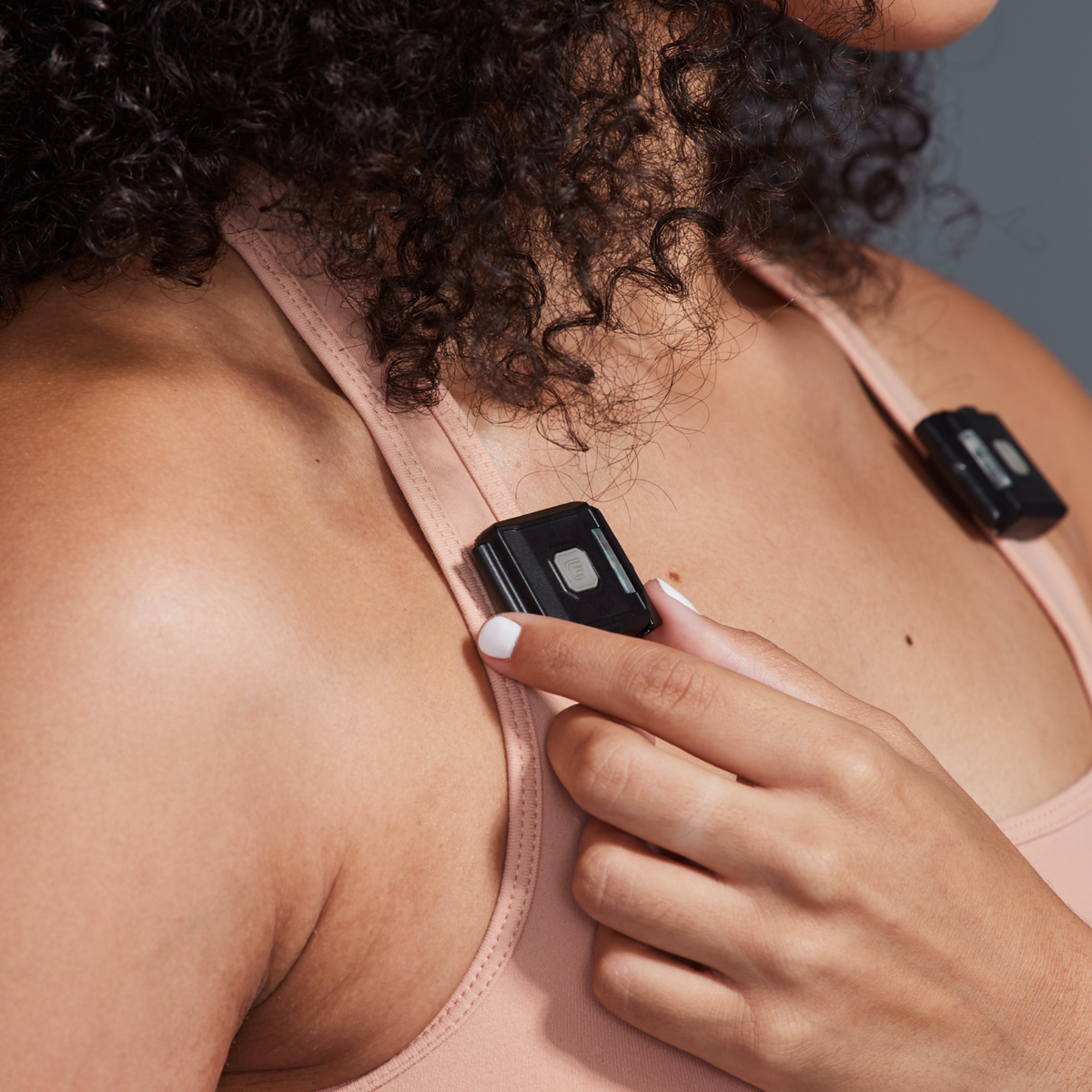
This is where a lot of families start looking for something that works with their child's nervous system instead of against it. TouchPoints is one of the tools we've seen make a real difference — a simple, drug-free wearable that uses gentle alternating vibration (BLAST® technology) to help shift the nervous system out of that keyed-up, hard-to-focus state and into one where calm and attention are more accessible.
We put this to the test in a double-blind, placebo-controlled study on kids and teens with ADHD, and the results were meaningful: participants saw real, measurable improvements in sustained attention and task engagement while wearing TouchPoints. It's not a cure and it's not magic — it's a tool. But for a lot of families, having one more thing that actually helps is worth a lot.
Real support was never about the world learning a list of symptoms. It's about closing the gap between what people assume and what families actually carry — the guilt they don't deserve, the effort no one sees, and the quiet hope that someone will finally get it. You don't need the world to understand everything. You just need a few of the right things to land, and a few of the right tools in your corner while you wait.