
Shop products, kits, & accessories.
Everything you need to solve stress in the way that works best for your life.
Explore TouchPoints, Thodian, curated kits, and accessories designed to support everyday use at home, at work, and on the go.


T

The Stress That Follows Them Home
For many first responders, the end of a shift doesn’t mean the end of stress. Sirens may stop, scenes may clear, but the body often stays in a heightened state.
Repeated exposure to high-intensity calls creates a pattern of cumulative stress, where the nervous system remains activated long after the immediate threat has passed. Research on first responder mental health consistently highlights elevated rates of sleep disruption, hypervigilance, and emotional fatigue—key indicators that recovery is not fully happening after each shift.
This gap between activation and recovery is where long-term strain builds. And yet, most systems are designed to support performance on the job—not recovery after it.
Why “Off-Duty” Doesn’t Always Mean “Off”
First responders are trained to respond quickly with a fight-or-flight response. The challenge is that the body doesn’t always switch off just as efficiently.
Lingering physiological effects can include:
Over time, this pattern contributes to nervous system dysregulation, making it harder to reset between shifts fully. According to research and findings, disrupted sleep and chronic stress are closely linked in high-stress professions. This is where post-shift stress recovery becomes critical—not optional.
Recovery Is a Skill—Not Just a Break
Supporting first responders' well-being requires more than downtime. It requires intentional recovery strategies that help the body transition out of a stress state.
Effective approaches include:
These practices don’t eliminate stress exposure, but they reduce its accumulation.
For departments and decision-makers, this represents a shift: from reactive mental health support to proactive recovery systems.
Case Insight: Stress That Persists and Improves Over Time
In this case study on combat-related stress, an individual experienced ongoing anxiety, difficulty staying calm, and persistent sleep challenges long after active exposure had ended.
Despite using meditation, maintaining a calm state remained difficult—particularly at night.
By integrating TouchPoints into daily routines—during meditation and before sleep—the individual began to experience gradual improvements in emotional regulation and sleep readiness.
This progression is critical: recovery didn’t happen instantly. It improved through consistent support of the nervous system over time.
For first responders, this mirrors reality. Stress doesn’t disappear after a single shift—but with the right tools, it can be regulated more effectively each day.
Where TouchPoints Fit Into Recovery
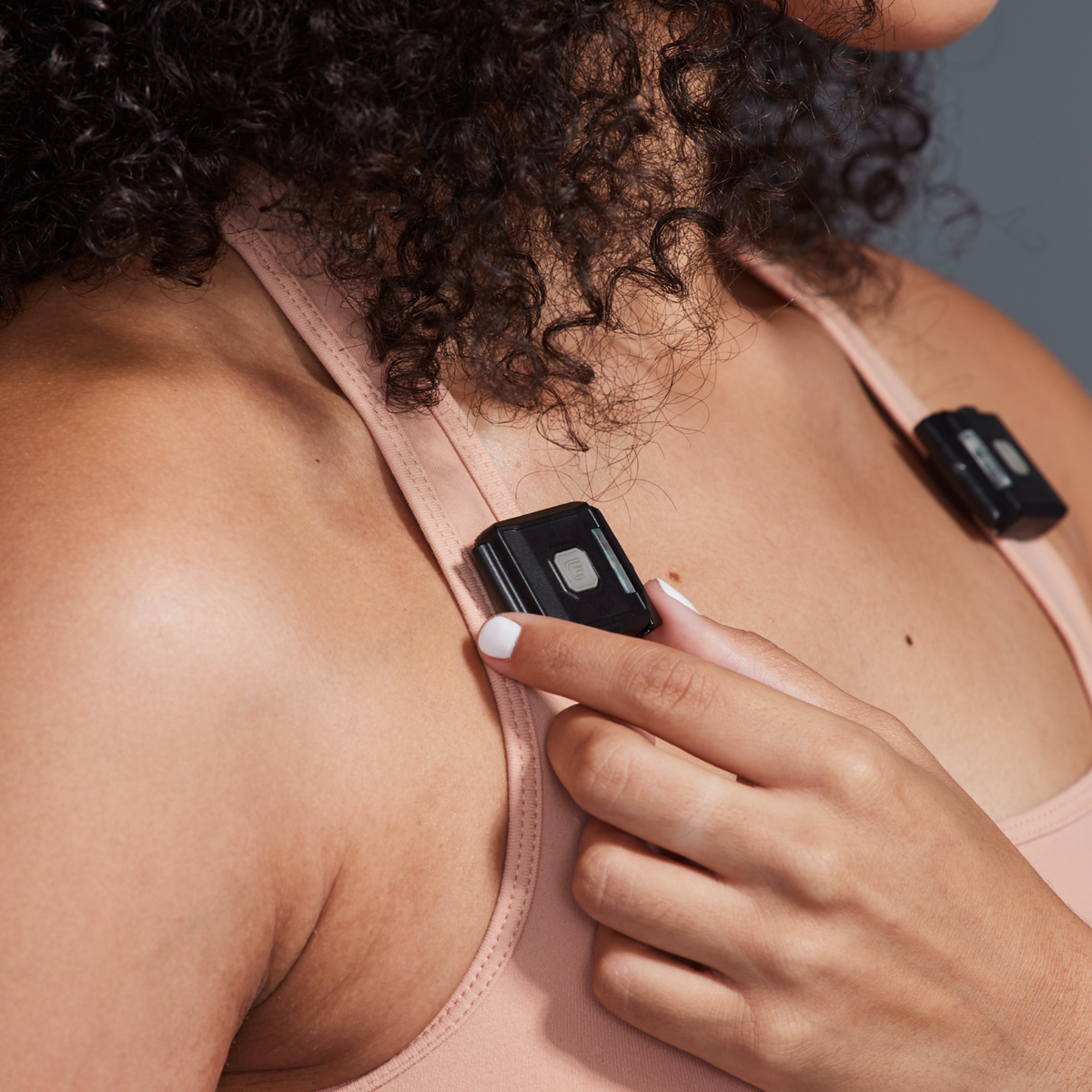
TouchPoints use BLAST (Bi-Lateral Alternating Stimulation Tactile) technology—research-aligned tactile stimulation delivered through a wearable device—to help interrupt the body’s stress response.
For first responders, this can support:
Unlike approaches that rely solely on cognitive effort, TouchPoints work physiologically to help regulate stress where it starts.
You can learn more about how this applies to emergency personnel on the First Responders page, or see a real-world example of how Matt helps first responders de-stress after work.
Supporting Long-Term Performance Through Recovery
Sustained performance in high-stress roles depends on more than training—it depends on recovery capacity.
Organizations that prioritize:
They are better positioned to support both well-being and operational readiness.
As explored in breaking the stress-productivity cycle, unmanaged stress doesn’t just affect individuals—it impacts long-term performance across teams.
Looking for better support beyond the call?
Book a consultation to learn how TouchPoints for first responders can help regulate stress, improve recovery after shifts, and support long-term mental health across your teams.
Leave a comment
Everything you need to solve stress in the way that works best for your life.
Explore TouchPoints, Thodian, curated kits, and accessories designed to support everyday use at home, at work, and on the go.
Comment
(0)