Enhancing Autism Therapy Sessions: Tools that Support Regulation, Focus, and Engagement
E
n
h
a
n
c
i
n
g
A
u
t
i
s
m
T
h
e
r
a
p
y
S
e
s
s
i
o
n
s
:
T
o
o
l
s
t
h
a
t
S
u
p
p
o
r
t
R
e
g
u
l
a
t
i
o
n
,
F
o
c
u
s
,
a
n
d
E
n
g
a
g
e
m
e
n
t
Therapists who work with individuals with autism often balance several goals within a single session. Supporting emotional regulation, encouraging communication, and helping clients navigate difficult topics all require a calm and supportive therapeutic environment. However, therapy sessions can become challenging when clients experience sensory overload, anxiety, or nervous system dysregulation.
When stress responses intensify, it can be difficult for clients to remain present or engaged in therapy. For clinicians, having strategies that support sensory regulation and emotional balance can make a meaningful difference in helping sessions continue productively.
Creating therapy environments that support regulation not only helps clients feel more comfortable but also improves engagement, focus, and participation throughout the session.
Recognizing Signs of Sensory Overload in Therapy
Many individuals with autism experience sensory processing differences that can make certain environments overwhelming. Research on autism and sensory processing suggests that heightened sensory input can quickly activate the body’s stress response, making it harder to focus, communicate, or process information.
In therapy sessions, early signs of dysregulation may include:
-
increased agitation or restlessness
-
withdrawal or reduced communication
-
heightened emotional responses
-
difficulty maintaining attention
Recognizing these signals early allows therapists to pause and introduce strategies that help clients regain regulation before stress escalates further.
Strategies That Support Regulation During Therapy
Therapists often integrate supportive approaches to help autistic clients remain calm and engaged during sessions. Creating sensory-aware therapy environments can reduce unnecessary stress and improve focus.
Some practical strategies include:
-
adjusting lighting or minimizing sensory distractions
-
allowing short regulation breaks when stress increases
-
using grounding techniques during emotionally difficult discussions
-
maintaining predictable session structures
These approaches help clients feel more comfortable and supported, allowing them to remain engaged in therapeutic work.
In addition to environmental adjustments and therapeutic techniques, some clinicians also introduce sensory-based regulation tools that help calm the nervous system during moments of overwhelm.
Sensory-Based Tools That Support Nervous System Regulation
When a client becomes overwhelmed, helping the body return to a regulated state is often the first step before therapy can continue effectively. Sensory-based tools can help support this process.
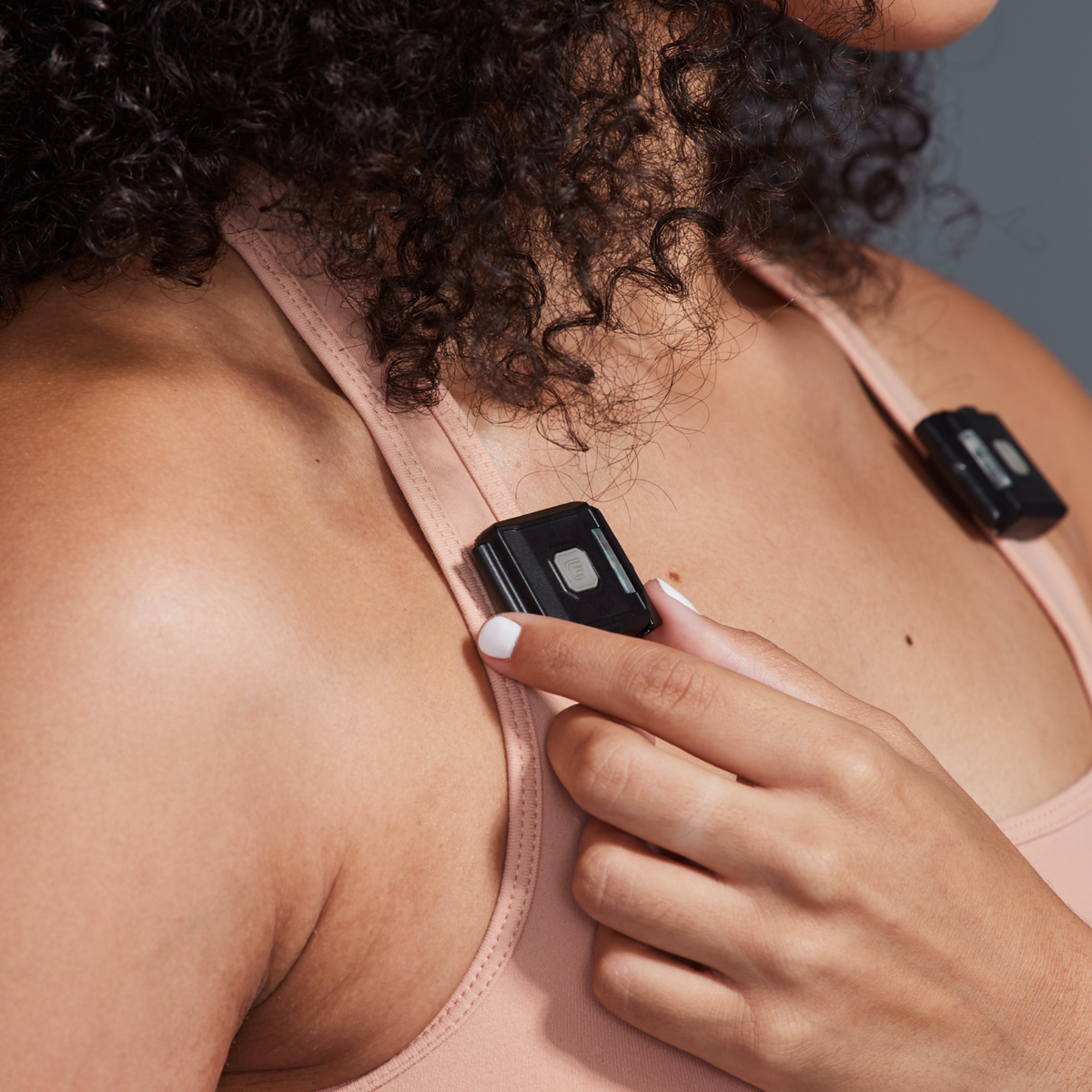
TouchPoint Solution® offers wearable devices that use BLAST (Bilateral Alternating Stimulation Tactile) technology, delivering gentle alternating vibrations between two devices worn on the body. This tactile stimulation is designed to support nervous system regulation by helping calm the body’s stress response.
For therapists working with autistic clients, these tools may help:
- reduce stress responses during therapy
- support emotional balance
- help clients regain focus
- allow sessions to continue after moments of distress
Because the devices are small and wearable, they can be used discreetly during therapy sessions when clients begin to feel overwhelmed.
Case Study: Supporting Regulation During Difficult Therapy Sessions
A real-world example highlights how regulation tools can support therapy engagement. In the case study “TouchPoints as a Calming Aid in Difficult Therapy Sessions,” a therapist introduced TouchPoints when a client became distressed during a session.
The client was experiencing emotional overwhelm that made it difficult to continue participating in therapy. After using the devices, the client’s stress response gradually settled, allowing them to regain emotional regulation.
With their nervous system calming, the client was able to refocus and remain present in the session. This allowed the therapist to continue the therapeutic work rather than ending the session prematurely.
For clinicians, examples like this illustrate how tools that support nervous system regulation can complement traditional therapy techniques during challenging moments.
Supporting Engagement Through Regulation
For many autistic individuals, therapy is most effective when the nervous system feels calm and regulated. When sensory overload or emotional stress becomes overwhelming, it can be difficult for clients to participate fully in the therapeutic process.
By combining sensory-aware environments, grounding techniques, and supportive regulation tools, therapists can help clients return to a calmer state more quickly. This creates an environment where clients feel safer, more focused, and better able to engage in therapy.
During Stress Awareness Month and Autism Acceptance Month, this serves as an important reminder that supporting regulation is often foundational to meaningful therapeutic progress.
Supporting Regulation in Therapy Sessions
For therapists exploring additional ways to support client regulation, wearable sensory technology can provide a practical complement to established therapeutic approaches.
TouchPoints can help clinicians support nervous system regulation during therapy sessions, helping clients regain calm and remain engaged during difficult moments.
Looking for practical tools that help clients stay calm and engaged during therapy sessions?
Book a consultation today and discover how TouchPoints can support nervous system regulation and emotional balance.
Help clients regulate stress and sensory overload during therapy with science-backed tools that support focus and engagement.
Shop products, kits, & accessories.
Everything you need to solve stress in the way that works best for your life.
Explore TouchPoints, Thodian, curated kits, and accessories designed to support everyday use at home, at work, and on the go.