How the Body Stores Stress: Signs You’re Overloaded and Don’t Realize It
H
o
w
t
h
e
B
o
d
y
S
t
o
r
e
s
S
t
r
e
s
s
:
S
i
g
n
s
Y
o
u
’
r
e
O
v
e
r
l
o
a
d
e
d
a
n
d
D
o
n
’
t
R
e
a
l
i
z
e
I
t
Stress doesn’t always show up in the most obvious ways, most of the time, it builds quietly in the background until your body starts sending signals you can’t ignore.
Many adults, parents, and caregivers carry ongoing stress as they try to keep up with daily responsibilities. Over time, that stress can begin to affect the body and nervous system. You might feel constantly tired, tense, or emotionally drained without fully understanding why.
Understanding how the body stores stress can help you recognize the early signs of overload and support your nervous system before stress grows into burnout.
How Stress Affects the Nervous System
When something stressful happens, your body activates its fight-or-flight response. This natural survival mechanism prepares you to react quickly by increasing heart rate, sharpening focus, and releasing stress hormones.
In short bursts, this response can be helpful. But when stress becomes constant—work deadlines, caregiving demands, emotional strain—the nervous system may stay heightened longer than it should.
Over time, the nervous system stress response may not fully reset. This can cause stress to feel as though it’s “stored” in the body, showing up as both physical and emotional symptoms.
According to research, chronic stress can affect sleep, digestion, mood, and immune function when the body remains in a prolonged stress response (Harvard Health Publishing)
Recognizing these signals early is an important part of stress awareness.
Signs Your Body May Be Holding Too Much Stress
Many people overlook the physical symptoms of stress because they seem unrelated at first. But the body often reveals stress in subtle ways.
Common signs of stress overload include:
Persistent Fatigue
Feeling drained even after rest can be a sign your nervous system has been under pressure for too long.
Muscle Tension and Body Discomfort
Stress often shows up as tight shoulders, neck stiffness, headaches, or jaw tension.
Difficulty Concentrating
When the brain stays in a stress state, focus and productivity can become harder to maintain.
Irritability or Emotional Overwhelm
Small frustrations may feel bigger than usual when emotional regulation is strained.
Feeling “On Edge”
Many people describe a lingering sense of unease—even during ordinary moments.
These chronic stress symptoms don’t always appear all at once. Instead, they tend to build gradually, making it easy to overlook the connection between stress and how the body feels.
Why Stress Can Feel “Stored” in the Body
The body and brain are deeply connected. When stress occurs repeatedly, the nervous system may remain partially activated even after a stressful event has passed.
This can make people feel stuck in stress mode, even when life appears relatively calm
.
For example, stress can influence appetite and cravings. In fact, this TouchPoint blog post on The Impact of Stress on Eating Habits explains how stress can affect daily routines, including eating and energy levels.
Similarly, ongoing stress can make it harder to stay focused at work or complete everyday tasks. For a deeper dive into the topic, check out Breaking the Stress-Productivity Cycle, which explores how stress and productivity challenges often reinforce each other.
Understanding these patterns is an important step toward supporting nervous system regulation.
Supporting the Body’s Stress Response
The goal of stress awareness isn’t to eliminate stress. Instead, it’s about recognizing when the nervous system needs support.
Small daily habits can help encourage balance, such as:
- taking short breaks during demanding days
- practicing slow breathing or mindfulness
- creating predictable routines
-
finding calming tools that support emotional regulation
For example, some people find it helpful to learn how stress influences cravings and mood. This blog on Stress, Blood Sugar, and Mood explains how the nervous system can influence everyday patterns, such as energy levels and emotional stability.
When the body feels supported, it may become easier to move out of the stress response and return to a calmer state.
How TouchPoints May Support Stress Regulation
Some people also use supportive tools to help calm the body during stressful moments.
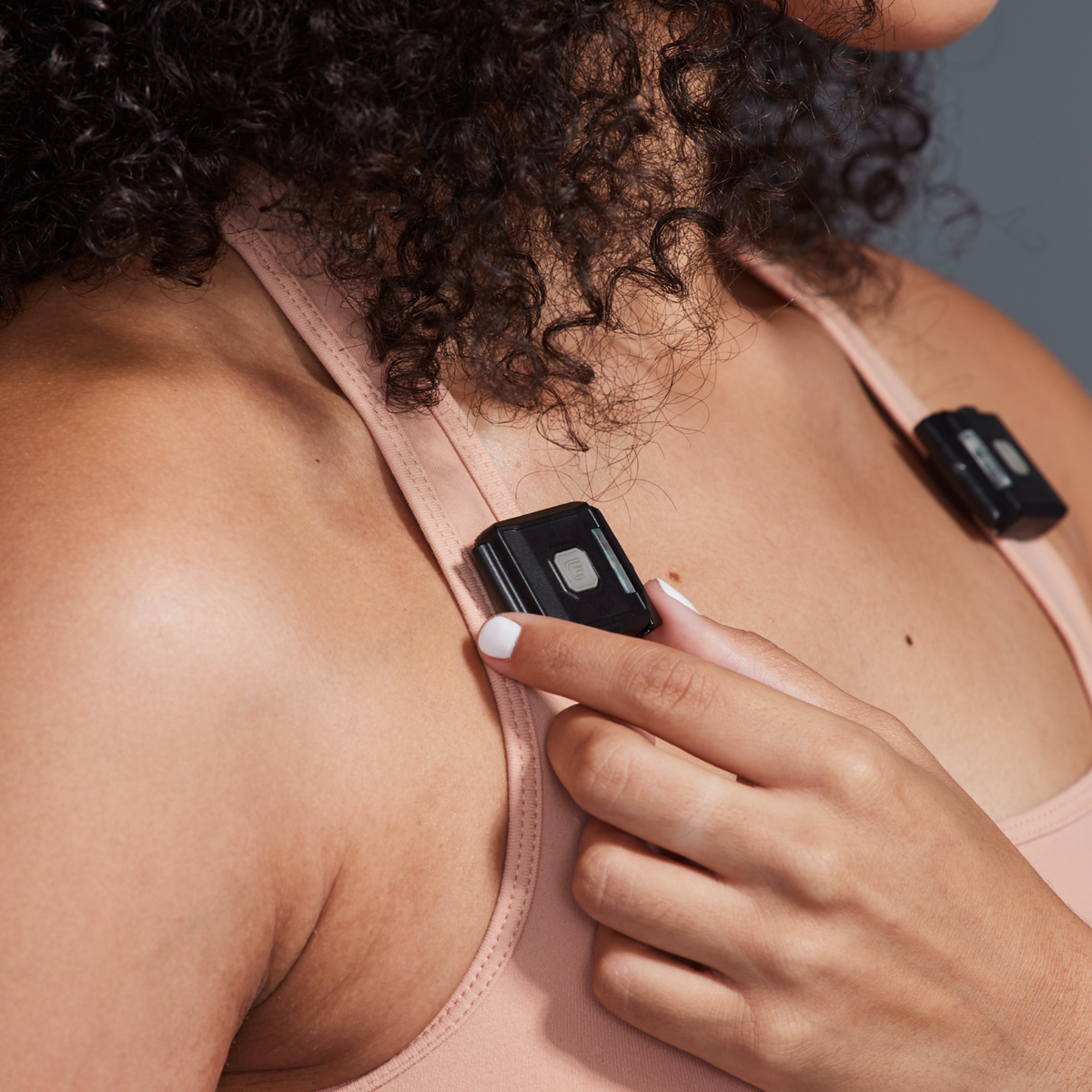
TouchPoints™ are wearable devices designed to support nervous system regulation through gentle bilateral alternating vibrations, also known as BLAST technology. This technology sends alternating tactile signals to the body, which may help interrupt the stress response and encourage a calmer state.
People may use TouchPoints during moments such as:
-
feeling overwhelmed during busy days
-
difficulty calming down after stressful situations
-
staying focused during work or studying
-
managing emotional overwhelm
-
relaxing before sleep
A real-world example can be found in the case study Overcoming Stress and Disassociation with TouchPoints™. In this story, an individual experiencing intense stress and emotional overwhelm reported feeling more grounded and present after incorporating TouchPoints into their routine.
For additional insight, check out The Power of TouchPoints for Stress Reduction, as it explores how this calming approach may support emotional balance during challenging moments.
TouchPoints are not a cure or treatment for stress, but they may serve as a helpful support tool for individuals looking to calm the body’s stress response.
Listening to Your Body’s Signals
Stress rarely appears all at once. More often, it builds gradually—through tension, fatigue, irritability, or difficulty focusing.
The good news is that these signals can also serve as reminders to pause and care for your nervous system.
By recognizing the warning signs your nervous system is overwhelmed, you allow yourself to respond earlier—with rest, supportive habits, and calming strategies that help restore balance.
When people begin to understand how the body stores stress, they may find it easier to support emotional well-being, maintain healthier routines, and reconnect with a sense of calm.
Shop products, kits, & accessories.
Everything you need to solve stress in the way that works best for your life.
Explore TouchPoints, Thodian, curated kits, and accessories designed to support everyday use at home, at work, and on the go.