Sensory-Inclusive Workplaces: Supporting Neurodivergent Employees and Reducing Sensory Overload
S
e
n
s
o
r
y
-
I
n
c
l
u
s
i
v
e
W
o
r
k
p
l
a
c
e
s
:
S
u
p
p
o
r
t
i
n
g
N
e
u
r
o
d
i
v
e
r
g
e
n
t
E
m
p
l
o
y
e
e
s
a
n
d
R
e
d
u
c
i
n
g
S
e
n
s
o
r
y
O
v
e
r
l
o
a
d
Modern workplaces are increasingly recognizing the value of neurodiversity in the workforce. Employees who think and process information differently—such as professionals with autism and others with sensory sensitivities—bring unique strengths to organizations, including pattern recognition, deep focus, creativity, and problem-solving.
Yet many work environments unintentionally create barriers that make it harder for these employees to thrive. Bright lighting, constant noise, crowded open offices, and back-to-back meetings can quickly create sensory overload at work, triggering stress responses that affect focus, productivity, and emotional regulation.
For HR leaders and workplace wellness teams, creating sensory-inclusive workplaces is not simply about accommodation—it’s about building environments where employees have the support they need to do their best work.
Understanding Sensory Overload in the Workplace
For employees with sensory processing sensitivities, everyday workplace stimuli can become overwhelming. Sudden noise, crowded environments, or unpredictable schedules may activate the body’s fight-or-flight stress response, making it difficult to stay present or concentrate on tasks.
Research increasingly highlights the importance of supporting neurodivergent employees through thoughtful workplace design and wellness initiatives. According to workplace inclusion studies, organizations that embrace neurodiversity often see improvements in innovation, engagement, and overall team performance.
However, awareness alone is not enough. Organizations also need practical strategies that help employees regulate stress and sensory input throughout the workday.
When workplaces overlook sensory needs, employees may experience:
- difficulty concentrating during meetings or collaborative sessions
- increased fatigue from continuous sensory stimulation
- heightened stress responses during high-pressure tasks
- reduced productivity due to sensory overwhelm
Recognizing these challenges allows organizations to shift from reactive accommodations to proactive workplace wellness strategies that support nervous system regulation.
Why Sensory-Inclusive Workplaces Improve Employee Wellbeing
A sensory-inclusive workplace acknowledges that people process their environments differently. Small changes in how workspaces are designed or how schedules are structured can significantly improve employee wellbeing.
For example, employees often perform better when they have opportunities to regulate their environment and manage stress responses throughout the day. This aligns with broader workplace wellness efforts that support healthy thinking and mindfulness, both of which influence how individuals respond to workplace demands.
Organizations that adopt inclusive workplace practices often report benefits such as:
- stronger employee engagement
- improved focus during complex work tasks
- higher retention among neurodivergent employees
When employees feel supported in managing sensory input and stress, they are more likely to remain present, engaged, and productive.
Practical Strategies for Supporting Neurodivergent Employees
Creating a sensory-friendly workplace does not always require major structural changes. Many organizations begin by introducing simple strategies that help employees manage sensory input and regulate stress.
Some practical approaches include:
1. Designing Quiet or Low-Stimulation Spaces
Dedicated quiet areas allow employees to step away from high-stimulation environments when needed. Even short breaks in calmer spaces can help employees reset their nervous system and return to work with greater clarity.
2. Offering Flexible Work Environments
Hybrid schedules, adjustable lighting, or alternative workstations can reduce sensory stress and give employees more control over their environment.
3. Encouraging Regulation Breaks
Short breaks throughout the day can help employees reset during moments of overwhelm. These pauses support emotional regulation and reduce prolonged stress responses.
4. Providing Practical Stress Regulation Tools
Organizations increasingly recognize that workplace stress regulation tools, such as TouchPoints®, can support employees during demanding moments, including presentations, meetings, or tight deadlines.
These strategies contribute to a workplace culture that prioritizes inclusion, awareness, and emotional wellbeing, strengthening healthy relationships across teams.
Supporting Nervous System Regulation During High-Stress Moments
Even in well-designed workplaces, stressful or overwhelming moments still occur. This is where tools that support nervous system regulation can play a meaningful role.
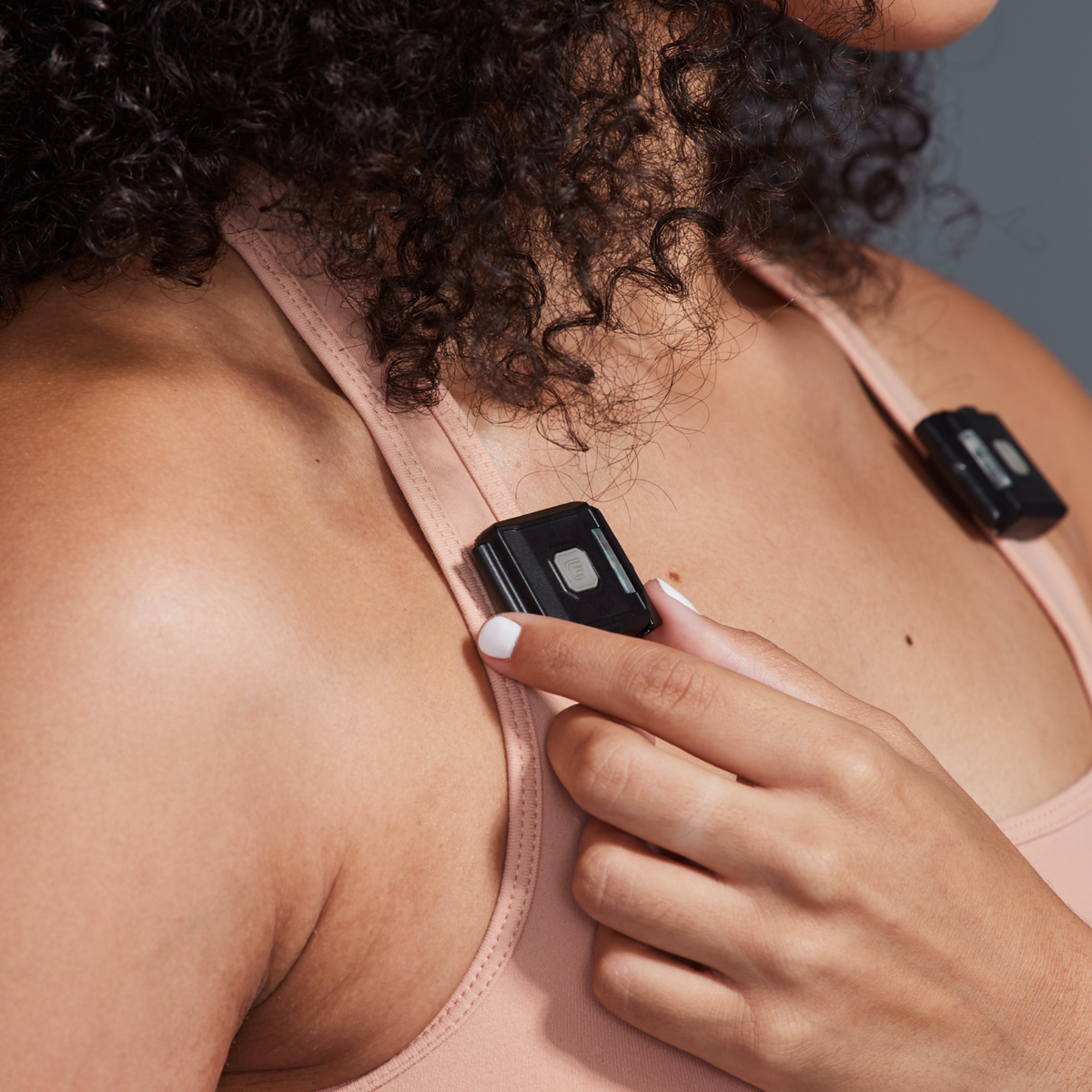
TouchPoints, wearable devices that use BLAST (Bi-Lateral Alternating Stimulation Tactile) technology, are designed to help regulate the body’s stress response. By delivering gentle alternating tactile stimulation, TouchPoints help interrupt escalating stress reactions and guide the nervous system back toward a calmer state.
For employees navigating sensory overload or high-pressure work situations, this type of support can help:
- calm the fight-or-flight stress response
- restore focus during demanding tasks
- reduce the intensity of sensory overwhelm
- support emotional balance during meetings or presentations
Because the devices are wearable and discreet, employees can use them throughout the workday without disrupting their workflow.
Case Study: Regaining Calm During Overwhelming Moments
A compelling example of this approach is the TouchPoints case study “Overcoming Stress and Dissociation with TouchPoints™
.”
.”
In this case, the individual experienced intense stress responses that sometimes led to feelings of dissociation during overwhelming moments. After incorporating TouchPoints into their routine, they reported improvements in their ability to regain emotional regulation and calm the nervous system during periods of high stress.
The bilateral stimulation provided by TouchPoints helped interrupt the escalating stress response, enabling the individual to return to a more grounded, focused state.
While every workplace experience is different, this example illustrates how tools that support rapid nervous system regulation can help individuals recover more quickly from overwhelming situations. In workplace settings, this type of support can help employees remain engaged, focused, and able to continue their work tasks even during stressful moments.
Organizations exploring ways to support neurodivergent employees may find that combining environmental strategies with practical regulation tools creates a more balanced and inclusive workplace.
For additional insights into sensory regulation and autism, organizations can also explore resources such as:
These resources highlight how sensory regulation tools can support individuals experiencing sensory overload in a variety of environments.
Looking to create a more inclusive and supportive workplace?
Book a consultation to learn how TouchPoints can help employees regulate stress and sensory overload.
Or explore science-backed wearable solutions designed to support workplace focus and emotional balance.
Shop products, kits, & accessories.
Everything you need to solve stress in the way that works best for your life.
Explore TouchPoints, Thodian, curated kits, and accessories designed to support everyday use at home, at work, and on the go.