
Shop products, kits, & accessories.
Everything you need to solve stress in the way that works best for your life.
Explore TouchPoints, Thodian, curated kits, and accessories designed to support everyday use at home, at work, and on the go.


T

Emotional Resilience for Clinicians in High-Stress Roles
Clinicians, healthcare workers, and first responders spend their days holding space for pain, urgency, and uncertainty. You show up regulated for patients and clients—even when your own nervous system is stretched thin. Over time, that constant outward focus can quietly erode emotional energy, focus, and connection to the work itself.
Emotional resilience for clinicians is not about becoming less sensitive. It is about having ways to reset, regulate, and recover during the workday—so stress does not accumulate faster than it can be released.
When Stress Becomes the Baseline
Clinical work often requires staying alert, responsive, and emotionally present for long periods of time. The nervous system adapts by staying on high alert—especially in environments involving trauma exposure, high patient loads, or limited recovery time between appointments.
When stress becomes the baseline, clinicians may notice increased irritability, difficulty concentrating, disrupted sleep, or emotional numbness. These are not personal failures; they are predictable responses to sustained nervous system activation.
Without practical ways to regulate throughout the day, stress spills over into patient interactions, team relationships, and personal life. Supporting emotional resilience starts with acknowledging that clinicians need tools that work in real time, not just after the shift ends.
Emotional Regulation That Fits Clinical Reality
Many clinicians know the value of mindfulness, rest, and healthy thinking—but knowing and doing are different when time is limited, and demands are high. Emotional regulation strategies need to be simple, discreet, and compatible with clinical flow.
Small moments matter. A brief pause between clients, a grounding breath after a difficult interaction, or a few minutes of intentional stillness can help the nervous system settle. These moments support emotional clarity and reduce the stress carryover that makes each encounter heavier than the last.
When clinicians are more regulated, communication improves, decision-making sharpens, and professional relationships feel less strained. Regulation is not a luxury—it is a clinical skill that protects both provider and patient.
How TouchPoints Support Clinician Emotional Resilience
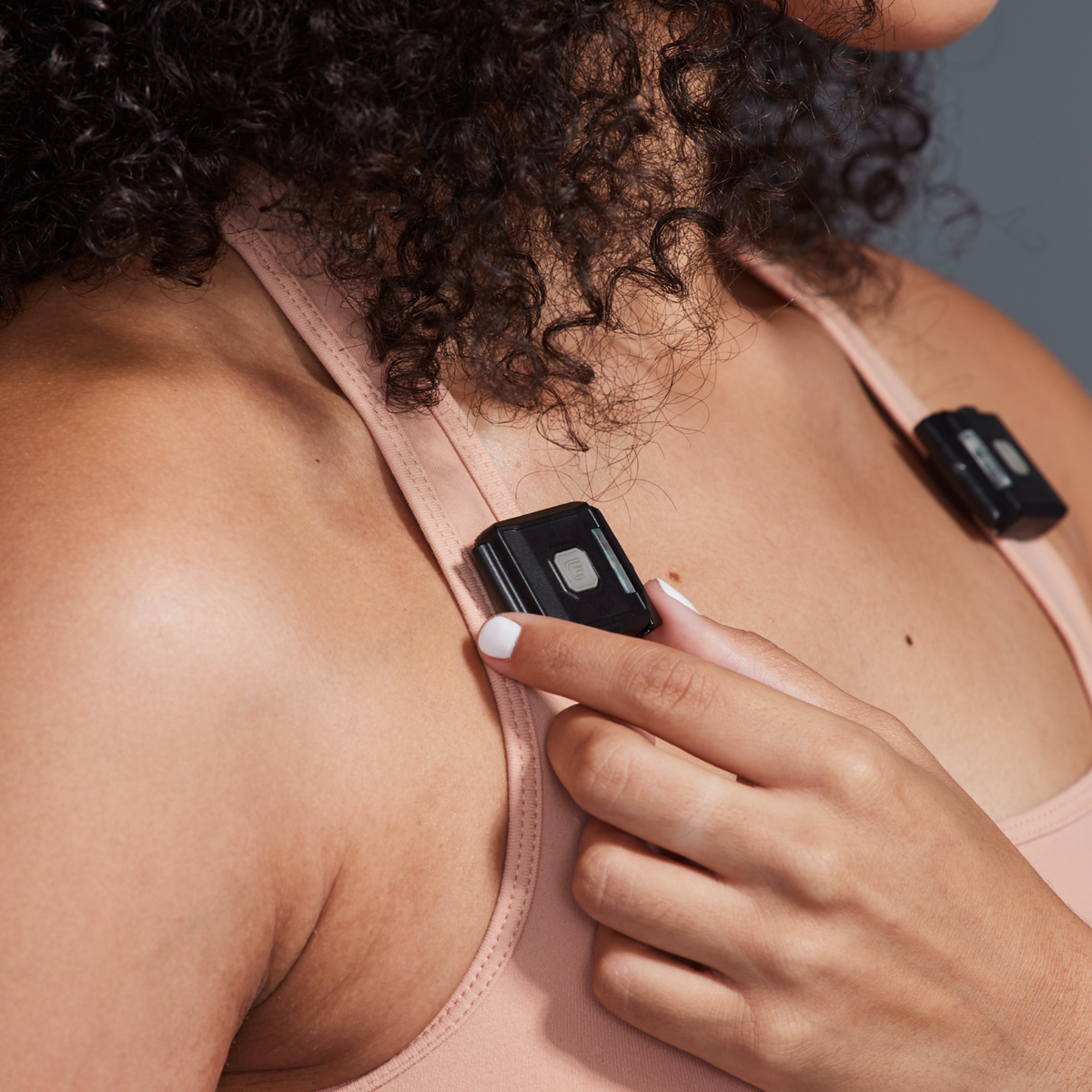
TouchPoints are wearable devices designed to support nervous system regulation through Bilateral Alternating Stimulation (BLAST). The gentle, alternating vibrations help calm the fight-or-flight response, allowing the brain to shift toward a more regulated state.
For clinicians, this matters because TouchPoints do not require focused attention, breathing exercises, or stepping away from care. They can be worn during sessions, between patients, or after emotionally intense moments—supporting calm and clarity without disrupting workflow.
By helping the nervous system reset more quickly, TouchPoints support emotional steadiness, improved focus, and reduced stress reactivity. This can make it easier to stay present with patients while also protecting your own emotional reserves.
Case Study: Rapid Regulation in Clinical Settings
In the TouchPoint case study, Rapid Regulation: Grounded Calm for Clinicians and Clients with TouchPoints™, it is highlighted how clinicians and caregivers use TouchPoints in real-world care environments.
Clinicians reported feeling calmer, more grounded, and better able to recover from stress during the workday. Instead of carrying emotional residue from one client to the next, they experienced quicker regulation and greater emotional control—supporting both professional performance and personal well-being.
Related case studies, such as Introducing TouchPoints into a Mental Health Routine and Boosting Focus & Calm at Work with TouchPoint™, further show how wearable regulation tools integrate into daily clinical practice without adding cognitive or emotional load.
Protecting the Caregiver-Client Relationship
Emotional resilience directly affects the quality of care. When clinicians are overwhelmed, even the strongest therapeutic or clinical skills can become harder to access. Regulation supports presence, empathy, and clear thinking—foundations of healthy therapeutic and professional relationships.
Supporting your nervous system also supports healthier thinking, better sleep recovery, and more sustainable engagement with work overtime. These are not separate from clinical excellence—they are part of it.
Caring for Yourself Is Part of Caring Well
Clinicians should not have to choose between showing up fully for patients and protecting their own well-being. Emotional resilience grows when support tools are practical, accessible, and aligned with the realities of care work.
Looking for a way to support your own regulation—or bring better stress support into your clinical environment? Book a consultation and explore how TouchPoints can help clinicians manage stress, regain calm, and sustain emotional resilience throughout the workday.
Because caring for others should not come at the cost of caring for yourself.
Leave a comment
Everything you need to solve stress in the way that works best for your life.
Explore TouchPoints, Thodian, curated kits, and accessories designed to support everyday use at home, at work, and on the go.
Comment
(0)